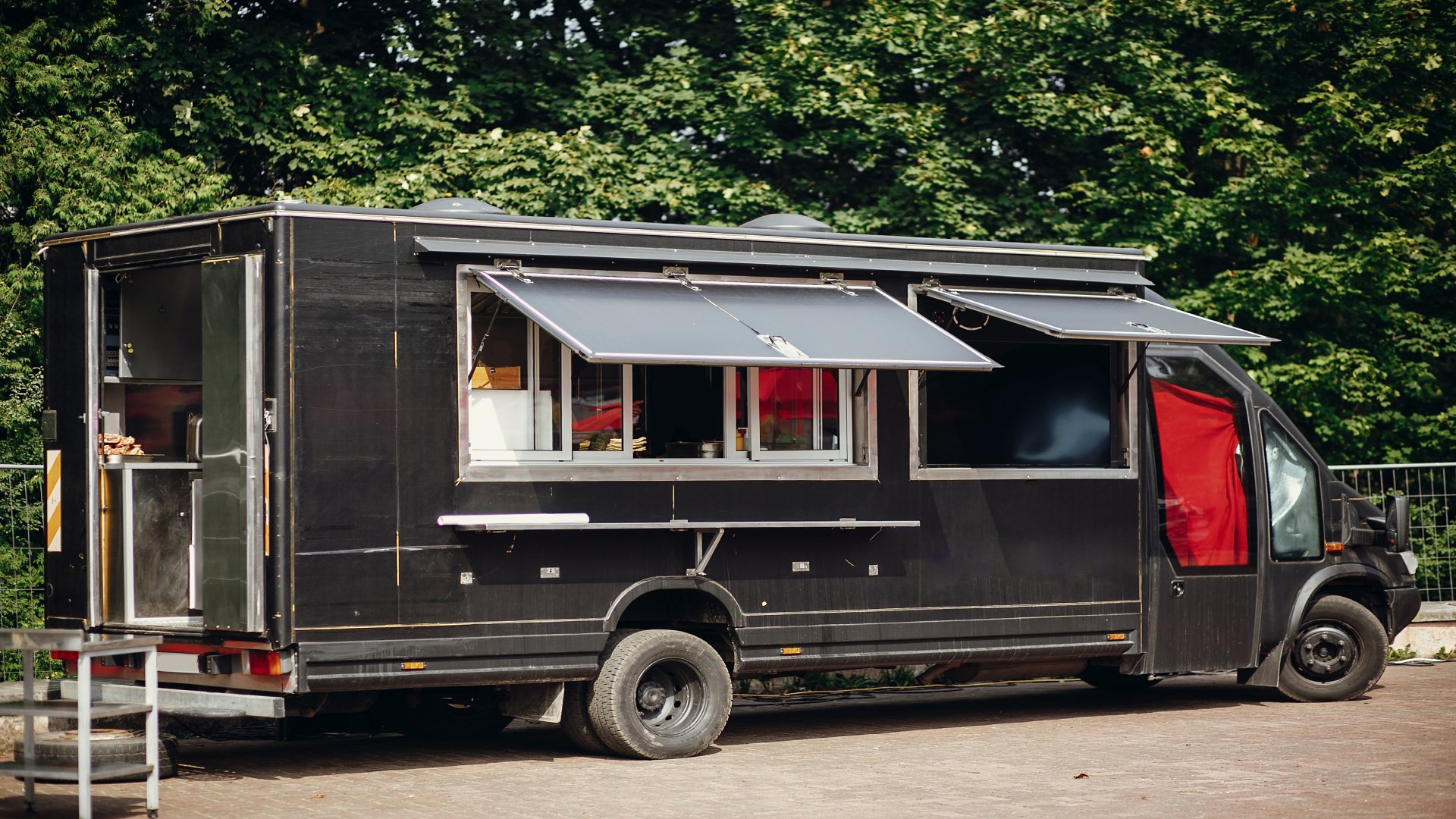
Austin’s food scene is loud, creative, and packed with competition. Whether you’re running a rotating food truck or a laid-back casual spot, hungry customers are pulling out their phones and searching “tacos near me” or “food trucks open now, Austin”, and if you’re not showing up, someone else is getting that order.
Getting found on Google Maps doesn’t take a big budget. But it does take some deliberate effort in the right places.
Google Maps Is the New Word of Mouth
Most people don’t flip through websites when they’re hungry. They open Google Maps, search what they’re craving, and pick from whatever shows up nearby. That local map pack, the top three results with a small map, is where your next customers are making decisions. Getting into that space starts with your Google Business Profile.
Set Up Your Profile the Right Way
A half-completed profile is a missed opportunity. Fill out every section, and make sure to keep it current:
- Categories:Pick the most accurate primary category, then add relevant secondary ones
- Hours:Update these whenever your schedule changes
- Menu:Add actual menu items so Google can match you to food-specific searches
- Photos:Post fresh, well-lit food photos regularly, profiles with photos get significantly more clicks
- Service area:If you move around, set your area by neighborhood instead of a fixed address
Make sure your business name, contact info, and location details are consistent across your website, social pages, and any food directories. Inconsistencies can quietly hurt your rankings.
Handle Location Smartly If You Move Around
Roaming food trucks have a slightly different SEO challenge, but it’s manageable. Set a service area in your Google Business Profile covering where you regularly operate. Use Google Posts to announce your current spot; these show up on your profile and signal to Google that you’re active.
On your website, a simple “Find Us” page listing your regular stops, days, and hours gives both customers and Google more to work with. Mentioning specific Austin neighborhoods or event locations where you set up helps you appear in hyperlocal searches.
Reviews Move the Rankings Needle
Google uses reviews as a major local ranking signal. More reviews, higher ratings, and recent activity all push you up in map results. The easiest way to get more? Just ask. A small card with a QR code linking to your Google review page, handed out after a great meal, works surprisingly well.
Respond to every review, short or long, positive or critical. It shows Google you’re an engaged business, and it shows potential customers you actually care.
Your Website Still Plays a Role
Even if most discovery happens on Google Maps, your website still backs everything up. A simple, fast-loading page helps keep things clear and easy to navigate. SEO services in Austin often focus on making sure this foundation is solid so search visibility turns into bookings.
Your site should include your menu, hours, location info, and a bit of personality that reflects the experience. Use language your customers already search for, like “late night food Austin,” “best breakfast tacos Austin,” or “vegan eats Austin,” woven naturally into your content.
Google uses your website to confirm you’re legitimate. Customers use it to decide if you’re worth the trip, and when everything works together, that’s where JackRabbit helps turn search interest into real visits.
Your Next Customer Is Already Searching
Austin’s food scene is too good to stay buried in search results. A little attention to your Google profile, your reviews, and your online presence goes a long way toward making sure hungry people find you first.
If you’re ready to turn your concept into something that shows up where hungry customers are already searching, reach out to get started. JackRabbit can help you build it.